10 LinkedIn Carousel Ideas for Technical Writers That Actually Get Engagement
Struggling with what to post? Here are 10 proven carousel ideas specifically for Technical Writers, plus a 4-week content calendar you can start using today.
If you’re a technical writerwho knows LinkedIn matters but freezes at the blank page, you’re not alone. The feed rewards people who show up consistently with genuine expertise — and right now there has never been a better moment for Technical Writers to claim that space. Most people in your field either stay silent or post the same generic updates, which leaves a wide-open lane for anyone willing to teach, tell real stories, and share what actually works. The professionals who publish thoughtful, specific content become the name people remember, refer, and reach out to. LinkedIn is where the product leaders, DevRel teams, and companies who hire technical writers gather, so content that showcases your craft reaches the people who value and pay for it. Its format is ideal for demonstrating clarity — the writer's core skill.You already have the knowledge; the only thing standing between you and a LinkedIn presence that compounds is a steady flow of ideas worth posting — which is exactly what the rest of this guide gives you.
Best time to post for Technical Writers: Tuesday to Thursday, 9:00–11:00am — technical writers, developers, and product teams engage midweek mornings. Posts about clarity and documentation strategy perform best on Tuesday and Wednesday.
The 5 Content Pillars Every Technical Writers Should Build Their Brand Around
Stop guessing what to post. Anchor everything you publish to these five themes and your feed will feel focused, credible, and worth following.
Clarity & Craft
writing that makes complex things feel simple and never condescends For Technical Writers, this is one of the highest-leverage themes to post about consistently. It builds authority with the exact people you want to reach and gives your audience a reason to keep following, engaging, and eventually reaching out.
Structure & Systems
the documentation architecture that anticipates user questions For Technical Writers, this is one of the highest-leverage themes to post about consistently. It builds authority with the exact people you want to reach and gives your audience a reason to keep following, engaging, and eventually reaching out.
Docs & Impact
proving the business value of great documentation For Technical Writers, this is one of the highest-leverage themes to post about consistently. It builds authority with the exact people you want to reach and gives your audience a reason to keep following, engaging, and eventually reaching out.
API & Developer Docs
writing docs developers actually adopt For Technical Writers, this is one of the highest-leverage themes to post about consistently. It builds authority with the exact people you want to reach and gives your audience a reason to keep following, engaging, and eventually reaching out.
Writing Lessons
the clarity principles learned from documenting at scale For Technical Writers, this is one of the highest-leverage themes to post about consistently. It builds authority with the exact people you want to reach and gives your audience a reason to keep following, engaging, and eventually reaching out.
10 LinkedIn Carousel Ideas for Technical Writers
Each one includes the exact opening line to hook your audience and why it works. Steal them, make them yours, and start posting.
Why Your Documentation Makes Users Feel Stupid
Why it works
Framing bad docs as an emotional experience is a fresh, empathetic angle that resonates widely.
Opening line
Bad docs don't just frustrate users, they make them feel stupid. Here's how to fix that.
The Documentation Structure That Answers Questions Before They're Asked
Why it works
An anticipatory structure is a concrete, copyable model writers can apply to their own docs.
Opening line
Great docs anticipate the next question. Here's the structure that does it.
How to Write for Developers Without Dumbing It Down
Why it works
Balancing clarity and respect for a technical audience is a nuanced craft skill writers value.
Opening line
Developers hate hand-holding and hate confusion. Here's how to write for both at once.
5 Signs Your Docs Are Driving Users Away
Why it works
A diagnostic connecting docs to support load helps teams see documentation as a real problem.
Opening line
Your support tickets are a symptom. Here are 5 signs your docs are the real problem.
Why the Best Technical Writing Is Invisible
Why it works
The idea that great docs go unnoticed is a memorable principle that reframes the craft's value.
Opening line
You never notice great docs. You only notice bad ones. Here's what invisible writing looks like.
How I Turn Engineer Notes Into Real Documentation
Why it works
A process for a universal writer pain — scattered engineer input — is directly, repeatedly useful.
Opening line
Engineers give you scattered notes. Here's how I turn them into docs users love.
The Difference Between Documentation and Content Marketing
Why it works
Distinguishing docs from marketing protects both crafts and clarifies the writer's role.
Opening line
Docs aren't marketing. Confusing the two ruins both. Here's the distinction.
How to Make API Docs Developers Actually Use
Why it works
API docs are high-stakes and often abandoned, so a guide to sticky ones is highly practical.
Opening line
Most API docs get abandoned. Here's what makes developers stick with yours.
Why Every Company Underestimates Technical Writing
Why it works
Advocating for the craft's value resonates with writers and educates the leaders who overlook it.
Opening line
Companies treat docs as an afterthought and pay for it. Here's the real cost.
What Writing Docs for Thousands of Users Taught Me
Why it works
Reflection from documenting at scale carries authority and distills durable clarity principles.
Opening line
After documenting products used by thousands, here's what I know about clarity.
Your 4-Week LinkedIn Content Calendar for Technical Writers
A full month of themed posts, mapped out for you. Follow it as-is or use it as a springboard — either way, you’ll never open LinkedIn wondering what to say again.
- How to write docs that don't make users feel stupid
- What invisible, great writing looks like
- How to write for developers without dumbing it down
- A documentation structure that anticipates questions
- How to turn engineer notes into docs
- How to make API docs developers use
- Why companies underestimate technical writing
- The signs your docs drive users away
- The difference between docs and marketing
- What documenting at scale taught you
- The clarity principles you live by
- How you see the technical writer's role
Best Hashtags for Technical Writers Content
Using the right hashtags can 2-3x your reach. Here are the top hashtags for Technical Writers on LinkedIn:
Stop Staring at a Blank Page — Generate These Ideas in Seconds
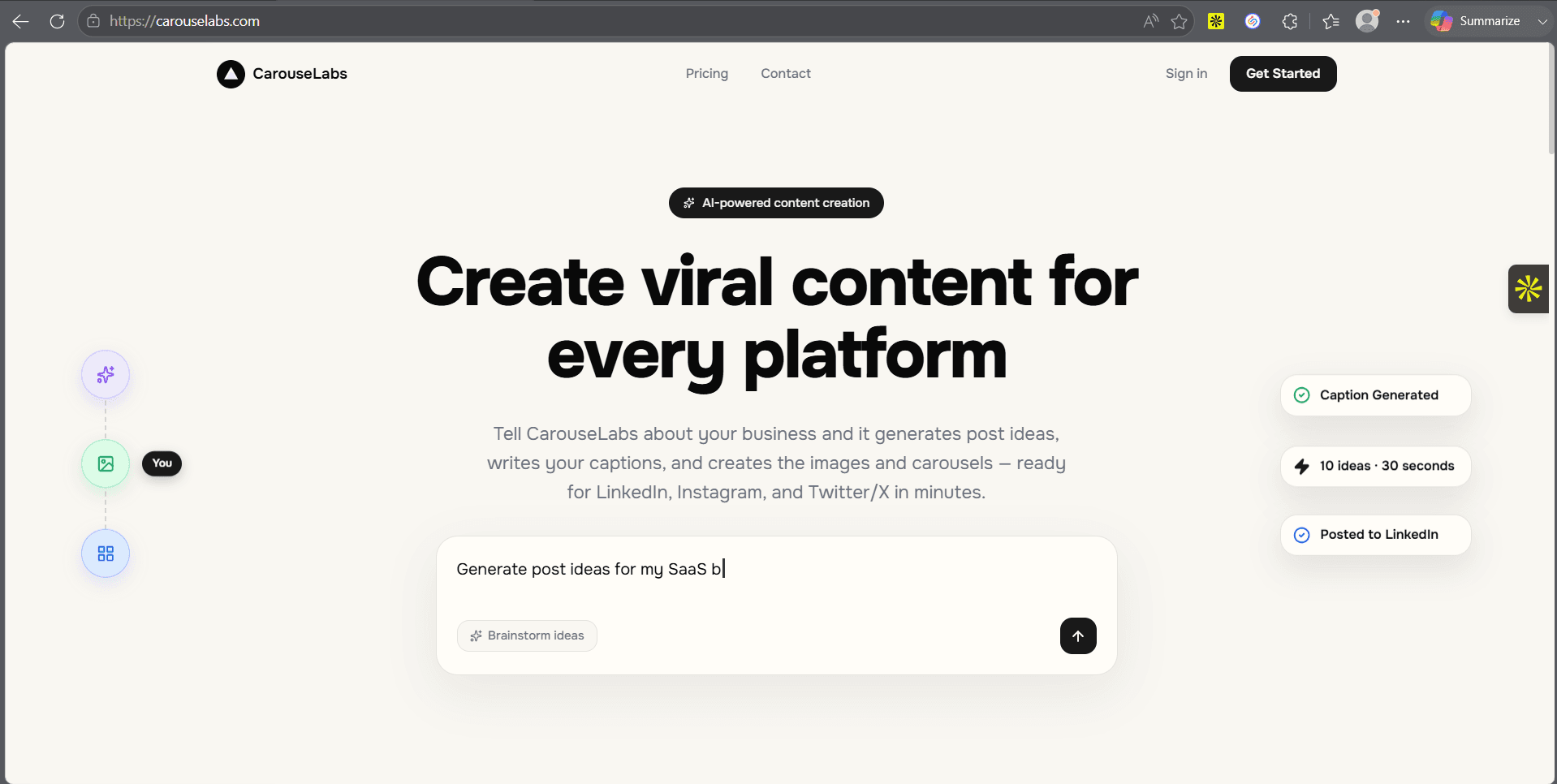
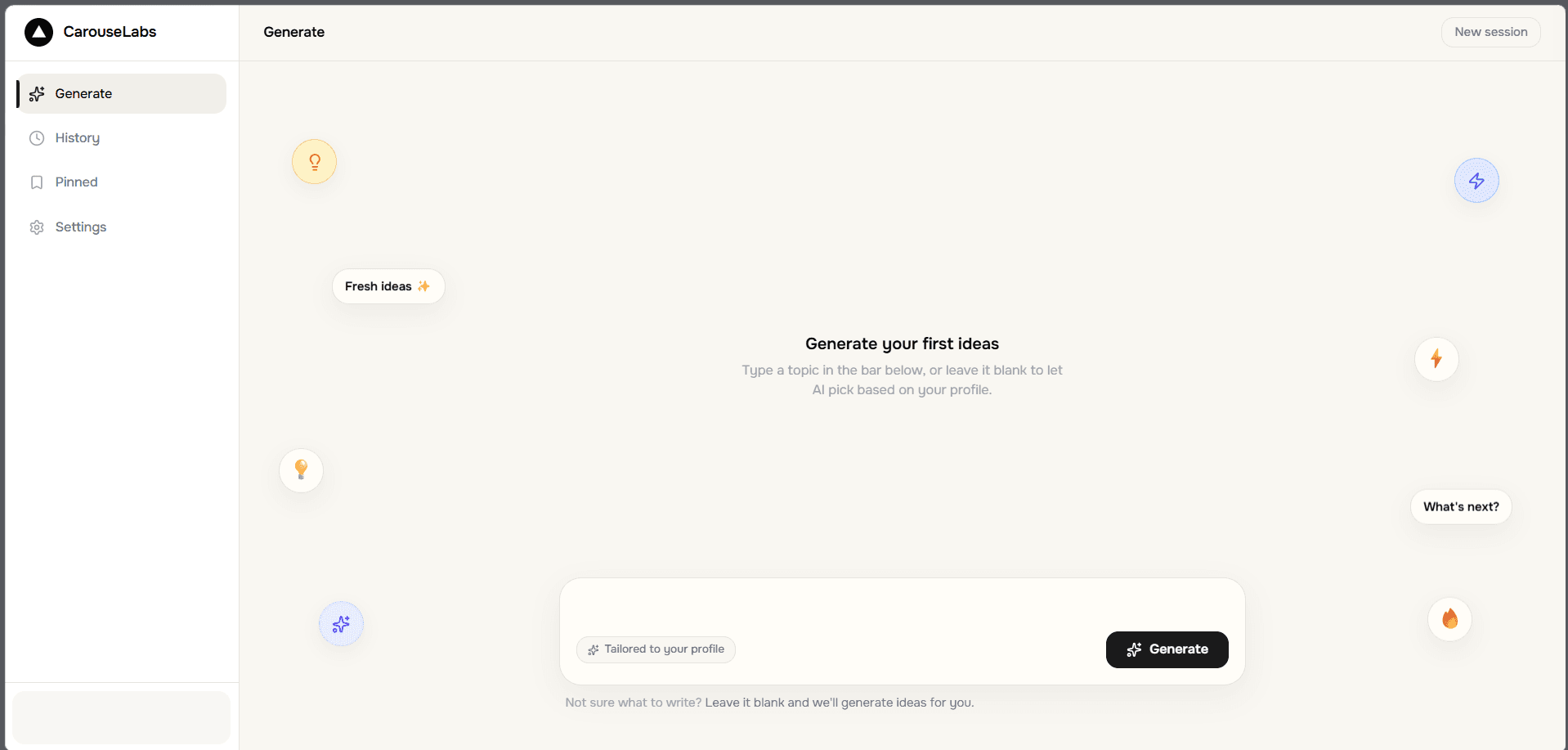
CarouseLabs automatically generates 10 personalized post ideas daily based on trending news in your industry. Pick one, generate the full carousel, caption, and image — all in under 15 minutes.
Start creating for freeNo credit card required