10 LinkedIn Carousel Ideas for Psychologists That Actually Get Engagement
Struggling with what to post? Here are 10 proven carousel ideas specifically for Psychologists, plus a 4-week content calendar you can start using today.
If you’re a psychologistwho knows LinkedIn matters but freezes at the blank page, you’re not alone. The feed rewards people who show up consistently with genuine expertise — and right now there has never been a better moment for Psychologists to claim that space. Most people in your field either stay silent or post the same generic updates, which leaves a wide-open lane for anyone willing to teach, tell real stories, and share what actually works. The professionals who publish thoughtful, specific content become the name people remember, refer, and reach out to. LinkedIn is where curious professionals, journalists, and organizations hungry for credible psychology gather, so accurate content reaches an audience eager for it. Its substance-first culture rewards the rigor that separates real psychology from pop oversimplification.You already have the knowledge; the only thing standing between you and a LinkedIn presence that compounds is a steady flow of ideas worth posting — which is exactly what the rest of this guide gives you.
Best time to post for Psychologists: Tuesday to Thursday, 8:00–10:00am and evenings — professionals engage with psychology insights midweek mornings and while winding down. Evidence-based posts perform best on Tuesday and Wednesday.
The 5 Content Pillars Every Psychologists Should Build Their Brand Around
Stop guessing what to post. Anchor everything you publish to these five themes and your feed will feel focused, credible, and worth following.
Cognitive Biases
the mental shortcuts that quietly shape our decisions For Psychologists, this is one of the highest-leverage themes to post about consistently. It builds authority with the exact people you want to reach and gives your audience a reason to keep following, engaging, and eventually reaching out.
Behavioral Science
what research actually says about habits, willpower, and motivation For Psychologists, this is one of the highest-leverage themes to post about consistently. It builds authority with the exact people you want to reach and gives your audience a reason to keep following, engaging, and eventually reaching out.
Everyday Psychology
the science behind procrastination, memory, and behavior For Psychologists, this is one of the highest-leverage themes to post about consistently. It builds authority with the exact people you want to reach and gives your audience a reason to keep following, engaging, and eventually reaching out.
Applied Insights
turning research into practical understanding For Psychologists, this is one of the highest-leverage themes to post about consistently. It builds authority with the exact people you want to reach and gives your audience a reason to keep following, engaging, and eventually reaching out.
Science vs. Pop Psychology
separating evidence from the myths For Psychologists, this is one of the highest-leverage themes to post about consistently. It builds authority with the exact people you want to reach and gives your audience a reason to keep following, engaging, and eventually reaching out.
10 LinkedIn Carousel Ideas for Psychologists
Each one includes the exact opening line to hook your audience and why it works. Steal them, make them yours, and start posting.
The Cognitive Bias Running Your Decisions Right Now
Why it works
Revealing a hidden bias in the reader's own thinking is intriguing and immediately self-relevant.
Opening line
You think you're being rational. This bias is quietly steering your choices. Here's how.
Why We Remember Things That Never Happened
Why it works
The unreliability of memory is a fascinating, counterintuitive finding that sparks discussion.
Opening line
Your memory isn't a recording. Here's why we confidently remember things that never happened.
5 Psychology Findings That Change How You See People
Why it works
A curated set of insights promises a new lens on human behavior, which readers love to share.
Opening line
These 5 findings changed how I understand human behavior. Here they are.
The Real Science Behind Habit Formation
Why it works
Correcting the '21 days' myth with real research is both practical and credibility-building.
Opening line
Forget '21 days.' Here's what the research actually says about how habits form.
Why Willpower Is a Myth (According to Research)
Why it works
Challenging willpower with science is contrarian and reframes how people approach behavior.
Opening line
The science says willpower isn't what you think. Here's what actually drives behavior.
What Behavioral Science Says About Motivation
Why it works
Grounding motivation in research offers a more accurate, useful model than pop advice.
Opening line
Motivation isn't a switch you flip. Here's what the research actually shows about it.
The Psychology of Why We Procrastinate
Why it works
Explaining procrastination as emotion regulation is a fresh, validating take that spreads widely.
Opening line
Procrastination isn't laziness. It's an emotional regulation problem. Here's the science.
How Our Brains Trick Us Into Bad Decisions
Why it works
Exposing mental shortcuts and how to counter them is practical and broadly fascinating.
Opening line
Your brain takes shortcuts that lead you astray. Here's how it happens and how to counter it.
Why First Impressions Are So Hard to Change
Why it works
Explaining the stickiness of first impressions is relatable and useful in work and life.
Opening line
You form an impression in milliseconds and defend it for years. Here's the psychology.
What the Research Really Says About Happiness
Why it works
Separating evidence from happiness clichés positions you as a trustworthy, science-led voice.
Opening line
Most happiness advice ignores the science. Here's what the research actually supports.
Your 4-Week LinkedIn Content Calendar for Psychologists
A full month of themed posts, mapped out for you. Follow it as-is or use it as a springboard — either way, you’ll never open LinkedIn wondering what to say again.
- The bias running your decisions
- How the brain tricks us into bad choices
- Why first impressions are hard to change
- The real science of habit formation
- Why willpower is a myth
- What research says about motivation
- The psychology of procrastination
- Why we remember things that never happened
- Findings that change how you see people
- What the research says about happiness
- How to turn psychology into practical understanding
- Separating evidence from pop psychology
Best Hashtags for Psychologists Content
Using the right hashtags can 2-3x your reach. Here are the top hashtags for Psychologists on LinkedIn:
Stop Staring at a Blank Page — Generate These Ideas in Seconds
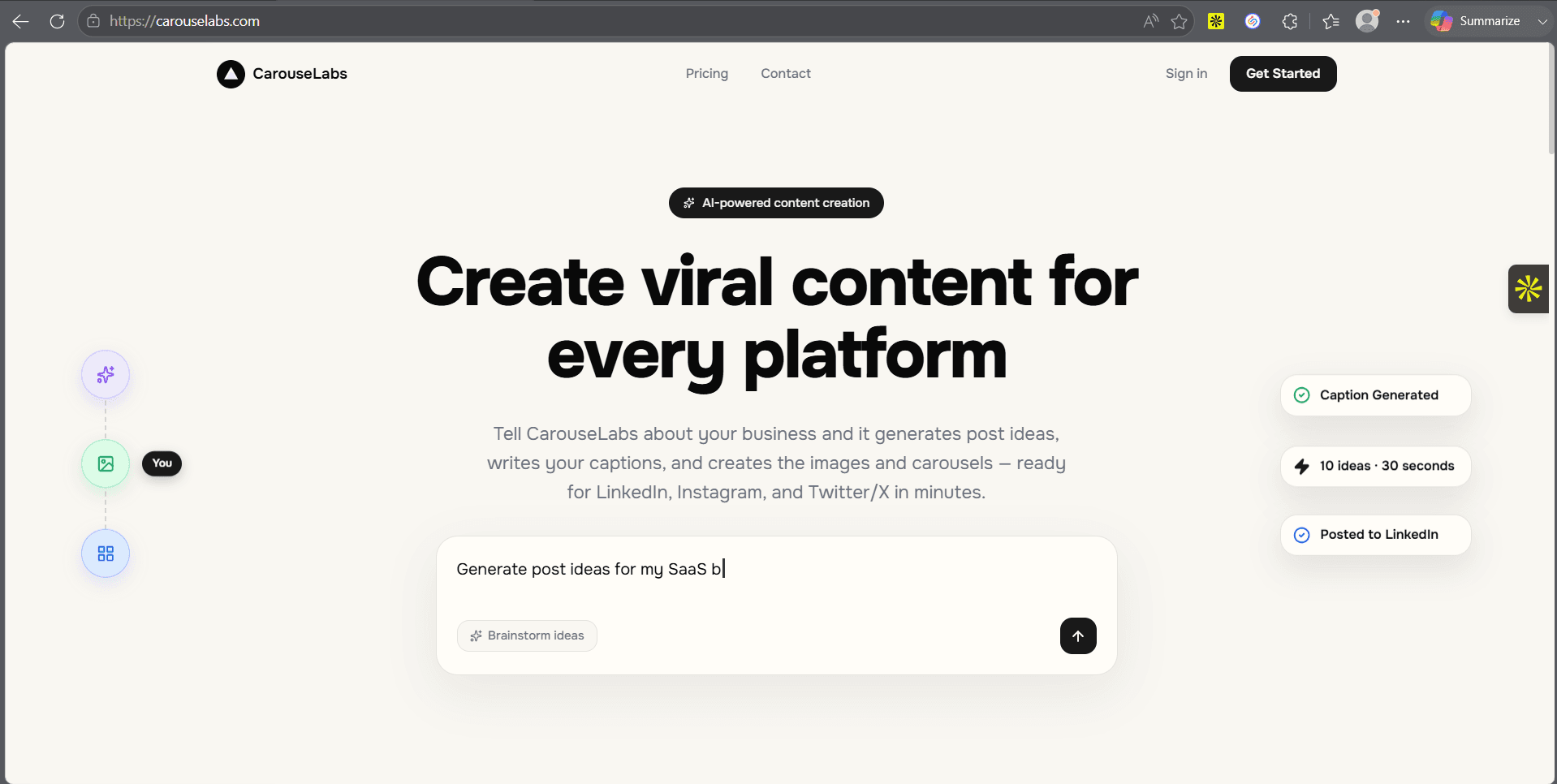
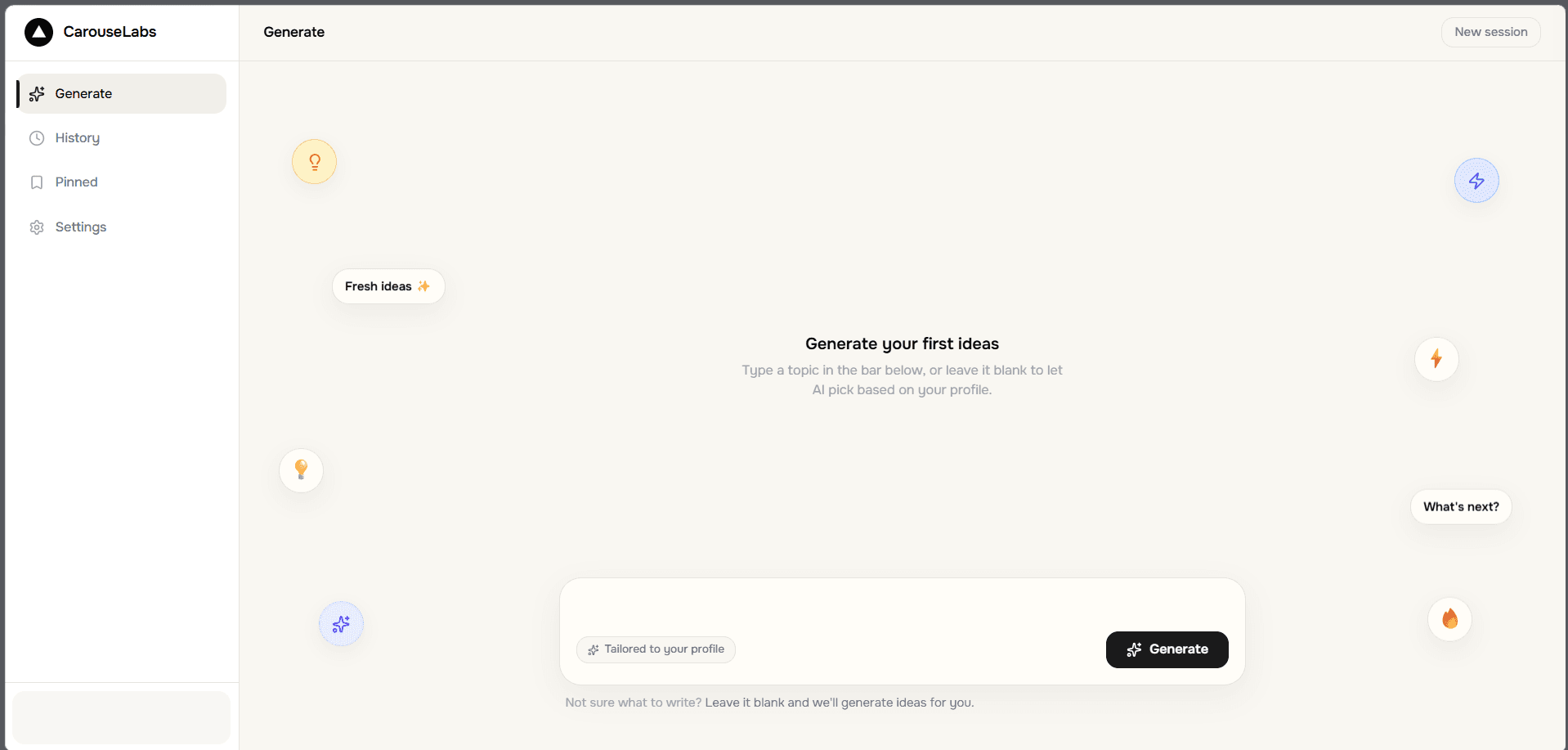
CarouseLabs automatically generates 10 personalized post ideas daily based on trending news in your industry. Pick one, generate the full carousel, caption, and image — all in under 15 minutes.
Start creating for freeNo credit card required